Rotator Cuff Tear
The most common cause of shoulder pain after 40 — and one of the most fixable.
Overview
Understanding rotator cuff tear
The rotator cuff is a group of four tendons that hold the ball of your shoulder centered in its socket and power everything you do overhead. Tears range from partial fraying to complete detachment, and they're common — many begin silently with wear and become painful after an injury or gradually over time.
Not every tear needs surgery, but tears don't heal themselves, and complete tears in active patients tend to enlarge over time. The treatment decision balances your age, tear size, tissue quality, symptoms, and what you need your shoulder to do.
Symptoms
What it feels like
- Pain over the outside of the shoulder, often radiating toward the deltoid
- Night pain — difficulty sleeping on the affected side is a hallmark
- Weakness lifting the arm or reaching overhead
- Pain with reaching behind your back or out to the side
- Clicking or catching with motion
Common causes
Why it happens
- Degenerative wear — tendon quality declines with age
- Acute injury: a fall on an outstretched arm or sudden pull
- Repetitive overhead work or sport
- Impingement — chronic rubbing under the acromion
Diagnosis
How it's diagnosed
A strength-focused exam isolates each cuff tendon and usually localizes the problem. X-rays assess the joint and the space the cuff runs through; MRI confirms the tear and answers the questions that drive treatment — how large, how retracted, and how healthy the muscle remains.
That last detail matters: long-standing tears can undergo muscle atrophy that limits repairability, which is one reason significant tears deserve timely evaluation rather than indefinite watching.
Treatment
The full range of options
Non-surgical
Physical therapy
Strengthening the intact cuff and the muscles that position your shoulder blade restores comfortable function for many partial and some full-thickness tears.
Anti-inflammatory management
Oral medication and judicious corticosteroid injection can break the pain cycle so therapy can work — used thoughtfully, since repeated steroid exposure can affect tendon tissue.
Activity modification
Adjusting the provoking positions — often overhead and behind-the-back reaching — while the shoulder rebuilds tolerance.
Surgical
Arthroscopic rotator cuff repair
The torn tendon is reattached to bone with suture anchors through small incisions. Modern double-row techniques restore the tendon's native footprint for stronger healing.
Biceps management
The biceps tendon is a frequent co-conspirator in cuff pain and is addressed at the same time when it's part of the problem.
Options for irreparable tears
For chronic massive tears, solutions range from partial repair and tendon transfer to superior capsular reconstruction or reverse shoulder replacement — matched honestly to the tissue you have.
Recovery
The road back
Repaired tendon heals to bone slowly, and the early protection phase matters: expect a sling for the first several weeks with guided passive motion, then progressive active motion, then strengthening from around three months.
Most patients reach comfortable daily function by three to four months and return to demanding overhead activity in the six-to-nine-month range. Night pain is typically one of the first symptoms to improve.
Dr. Johnson's approach
Dr. Johnson's cuff philosophy is candor about biology. Small tear with good muscle? Therapy first is often right. Acute full tear in an active patient? Timely repair protects your options. Chronic massive tear? You'll hear exactly what's repairable and what isn't — and every repair comes with a rehabilitation plan engineered for how tendon actually heals.
Watch
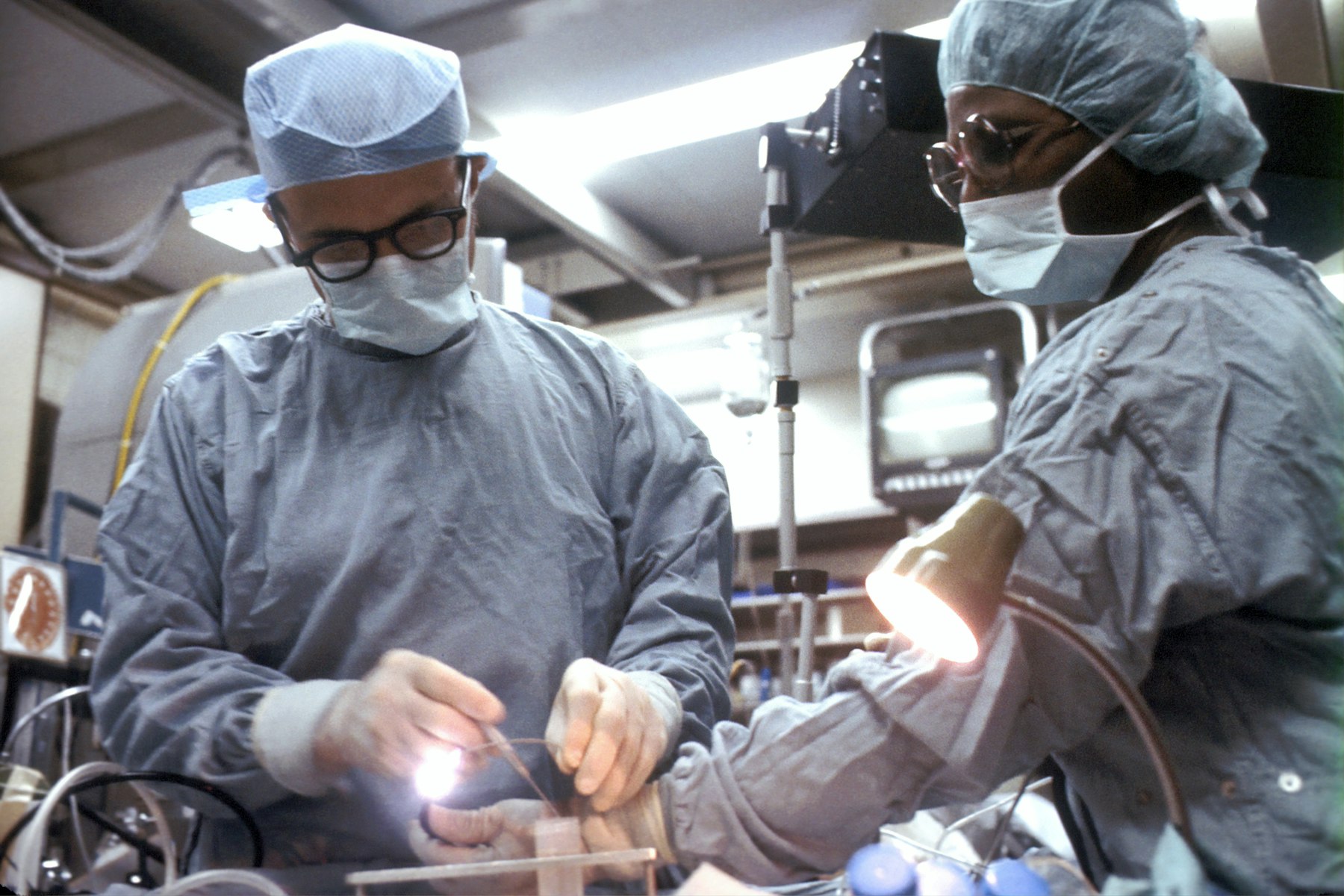
Rotator Cuff Repair — What to Expect
 4:05
4:05Straight answers
Frequently Asked Questions
The information on this site is for education only and is not a medical diagnosis or a substitute for professional medical advice. Every patient is different — please consult Dr. Johnson or a qualified provider about your specific condition.
Ready when you are
Take the first step past rotator cuff tear
A focused evaluation, an honest conversation, and a plan built for your goals.