 5:14
5:14Video placeholder — production footage drops in here.
What a replacement actually replaces
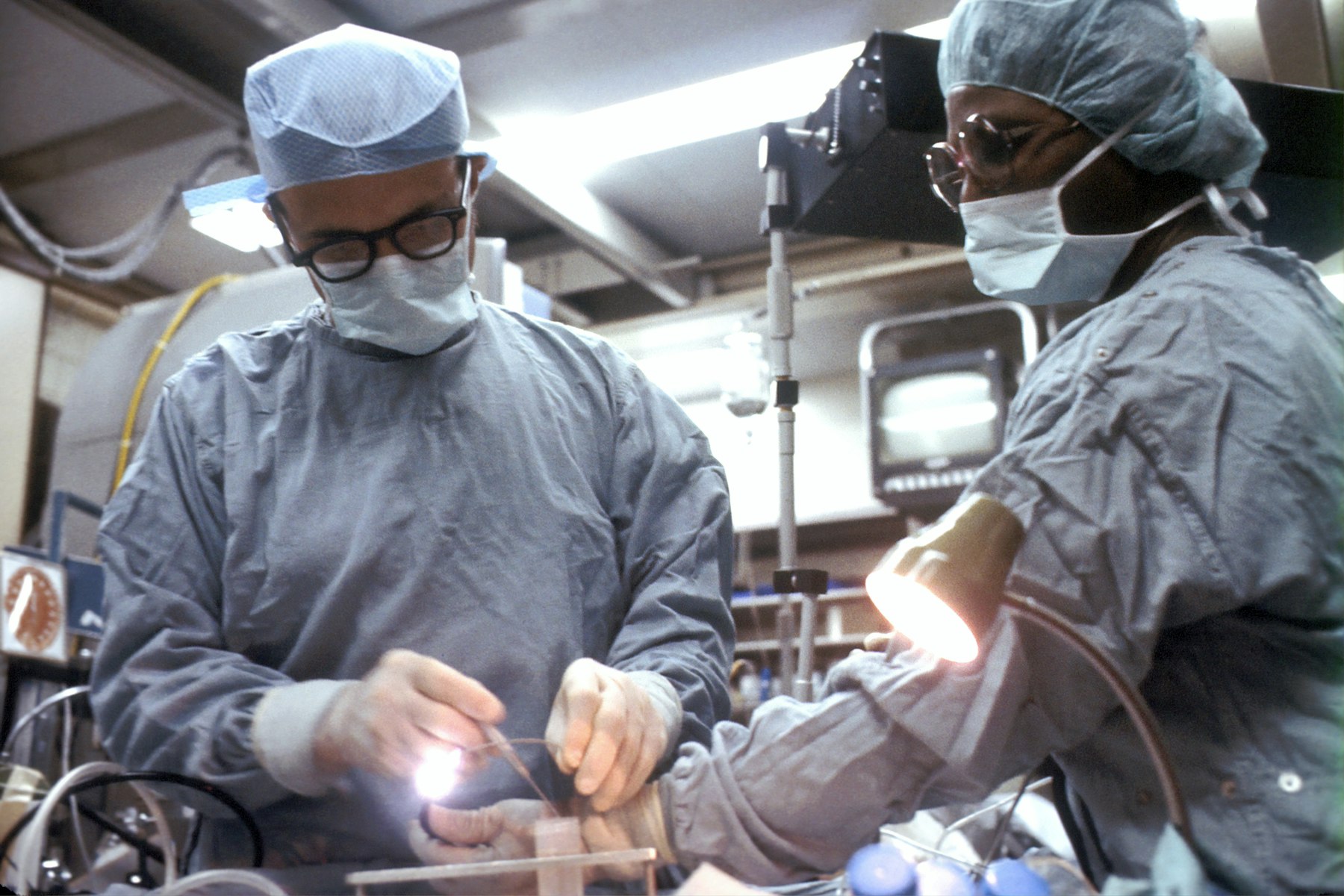
A knee replacement doesn't remove your knee — it resurfaces it. Thin layers of worn bone and cartilage are removed from the end of the femur and top of the tibia, and precisely shaped metal components are fitted over the prepared surfaces with a medical-grade polyethylene bearing between them. Your ligaments, muscles, and tendons — the machinery that moves the knee — stay yours.
That's why the operation works: it swaps the worn bearing surfaces while preserving the engine around them.
Who it's for
Replacement is for arthritis that limits your life despite a genuine trial of non-surgical care — strengthening, weight optimization, injections, activity design. The X-ray supports the decision; your function makes it. Nobody should be scheduled for a replacement because of an image alone.
The modern recovery
Patients typically walk the day of surgery. Regional anesthesia and multi-modal pain protocols have transformed the early experience, most surgeries are same-day or single-night stays, and the first weeks focus on motion — especially straightening — with progressive strengthening after. Most patients drive within a few weeks and return to low-impact activity by three months, with improvement continuing for a full year.
Key takeaways
- 01A replacement resurfaces the joint — your muscles and ligaments still power it
- 02The decision is made by your function, not your X-ray
- 03Walking day-of-surgery is now the norm, not the exception
The information on this site is for education only and is not a medical diagnosis or a substitute for professional medical advice. Every patient is different — please consult Dr. Johnson or a qualified provider about your specific condition.