Hip Arthritis
The stiff, grinding hip that shortens your stride — and the modern fix that gives it back.
Overview
Understanding hip arthritis
The hip is a deep ball-and-socket joint built for power, and arthritis wears its cartilage the same way tread wears off a tire. The classic story is groin pain with walking, stiffness putting on shoes and socks, and a stride that quietly shortens over months and years.
Hip arthritis has a distinctive arc: non-surgical care can manage symptoms well for a long stretch, and when it stops working, total hip replacement is among the most reliable operations in all of surgery — routinely ranked at the top for pain relief and quality-of-life gain.
Symptoms
What it feels like
- Groin or deep-front-of-hip pain with walking and standing
- Stiffness — trouble with shoes, socks, and getting out of a car
- Pain that can radiate to the thigh or knee
- A limp or shortened stride
- Night pain in advanced disease
Common causes
Why it happens
- Age-related osteoarthritis
- Developmental shape variations (dysplasia, impingement) that concentrate wear
- Prior injury or fracture
- Inflammatory arthritis and avascular necrosis
Diagnosis
How it's diagnosed
Standing X-rays plus a gait-and-motion exam usually tell the whole story: joint-space narrowing, spurs, and the internal-rotation loss that is arthritis's fingerprint. When symptoms outrun X-ray findings, MRI screens for early cartilage disease, labral pathology, or avascular necrosis.
Treatment
The full range of options
Non-surgical
Strengthening & gait work
Strong glutes and core offload the joint and steady the stride — the foundation of every stage of hip arthritis care.
Weight optimization & activity design
Swapping some impact volume for cycling, swimming, or elliptical work maintains fitness while quieting the joint.
Injection therapy
Image-guided corticosteroid injections can settle flares and double as a diagnostic confirmation that the hip joint is the true pain source.
Surgical
Total hip replacement
Replacing the worn ball and socket with modern bearings. Contemporary techniques — tissue-sparing approaches, advanced pain protocols, same-day or short-stay pathways — have made recovery dramatically faster than the operation's old reputation.
Hip preservation (selected patients)
In younger patients whose shape problem is caught before arthritis advances, arthroscopic or realignment procedures may protect the native joint.
Recovery
The road back
Hip replacement patients typically walk within hours of surgery and trade the deep arthritic ache for manageable surgical soreness that fades over weeks. Most resume driving in two to four weeks, walk unlimited distances by six weeks, and return to low-impact recreation by three months.
Modern implants commonly last 20+ years, which is why surgeons now offer the operation to patients who still have decades of active life to spend.
Dr. Johnson's approach
Dr. Johnson's hip arthritis care is staged and unhurried: exhaust the high-value non-surgical rungs while the joint still responds, and when replacement becomes the right answer, execute it with modern rapid-recovery protocols and a plan that starts you walking the same day.
Watch
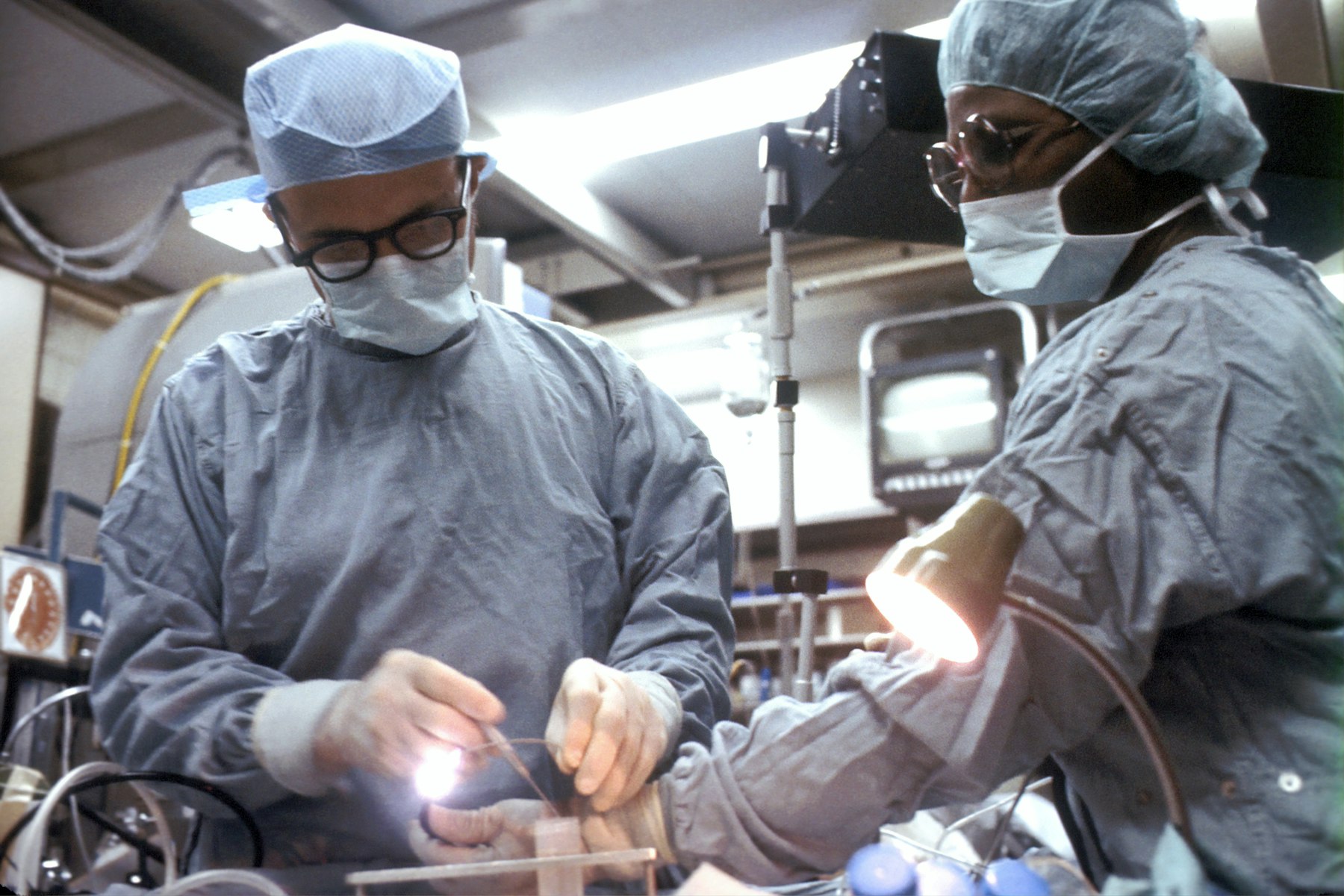
Total Hip Replacement — The Modern Recovery
 4:47
4:47Straight answers
Frequently Asked Questions
The information on this site is for education only and is not a medical diagnosis or a substitute for professional medical advice. Every patient is different — please consult Dr. Johnson or a qualified provider about your specific condition.
Ready when you are
Take the first step past hip arthritis
A focused evaluation, an honest conversation, and a plan built for your goals.