Knee Arthritis
Wear doesn't have to mean surrender. A full spectrum of options — surgery last.
Overview
Understanding knee arthritis
Osteoarthritis is the gradual wearing of the smooth cartilage that lets your knee glide. As the surface thins, the joint becomes painful, stiff, and swollen — first with activity, later at rest. It is the most common reason adults give up the activities they love.
Arthritis care is a ladder, not a light switch. Most patients spend years doing well on the lower rungs — strengthening, weight optimization, injections, activity design — and surgery enters the conversation only when pain is limiting your life despite genuinely trying the alternatives.
Symptoms
What it feels like
- Aching pain that worsens with activity and improves with rest
- Stiffness after sitting or first thing in the morning
- Swelling after activity
- Grinding, crunching, or crepitus with motion
- Gradual bowing or change in leg alignment
- Night pain in more advanced disease
Common causes
Why it happens
- Age-related cartilage wear
- Prior injury — ACL tears, meniscus loss, and fractures accelerate wear
- Genetics and family history
- Body weight — each pound adds several pounds of force across the knee
- Inflammatory conditions such as rheumatoid arthritis
Diagnosis
How it's diagnosed
Standing X-rays are the workhorse — they show joint-space narrowing, bone spurs, and alignment under real load. The exam adds what X-rays can't: which compartment hurts, how the kneecap tracks, and how the arthritis actually affects your movement.
MRI is usually unnecessary for established arthritis but is used selectively when the story doesn't match the X-ray or a concurrent soft-tissue problem is suspected.
Treatment
The full range of options
Non-surgical
Activity design & strengthening
Strong quadriceps and hips measurably reduce knee pain. The goal is never "stop moving" — it's moving in ways the joint tolerates while building the muscle that protects it.
Weight optimization
Modest weight loss produces outsized relief because of how force multiplies across the knee. It's the highest-leverage intervention most patients have.
Injection therapy
Corticosteroid injections calm inflammatory flares; viscosupplementation (gel injections) helps some patients. Relief is real but temporary — injections manage arthritis, they don't reverse it.
Regenerative options
For selected patients, orthobiologic injections may be discussed as part of a joint-preservation strategy, with a candid conversation about realistic expectations and evidence.
Bracing
Unloader braces can shift force away from a worn compartment and meaningfully reduce pain for the right pattern of arthritis.
Surgical
Partial knee replacement
When arthritis is confined to one compartment, resurfacing only that compartment preserves your ligaments and native motion — a smaller operation with a faster recovery for well-selected patients.
Total knee replacement
For advanced, whole-joint arthritis, replacement reliably relieves pain and restores function. Modern techniques, pain protocols, and same-day or short-stay pathways have transformed the recovery experience.
Arthroscopy — used sparingly
Scoping an arthritic knee rarely helps and is reserved for specific mechanical problems like a locked joint. You will not be offered a surgery that the evidence doesn't support.
Recovery
The road back
After knee replacement, you'll be up and walking the day of surgery. The first weeks focus on motion — especially extension — and progressive walking. Most patients drive within a few weeks, return to low-impact activity by three months, and continue improving for a full year.
The strongest predictor of a great result is engagement with rehabilitation. Dr. Johnson's team maps the milestones before surgery so you know exactly what each phase asks of you.
Dr. Johnson's approach
Dr. Johnson treats knee arthritis with the whole ladder — and tells you plainly which rung you're on. Patients hear the case for strengthening and weight optimization before they hear about injections, and the case for injections before they hear about implants. When replacement is right, it's done with modern rapid-recovery protocols. When it isn't, you'll hear that too.
Watch
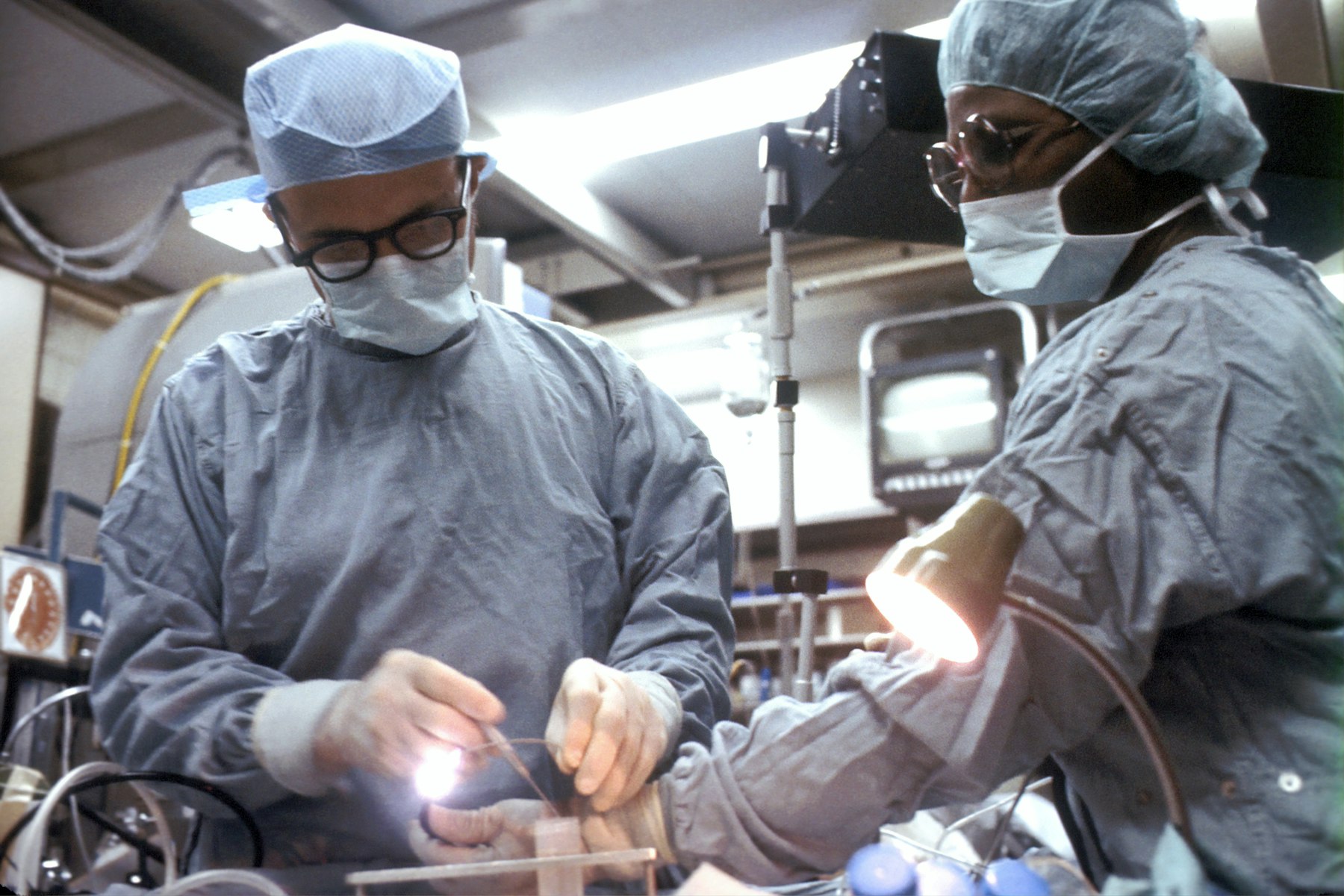
Understanding Knee Replacement
 5:14
5:14Straight answers
Frequently Asked Questions
The information on this site is for education only and is not a medical diagnosis or a substitute for professional medical advice. Every patient is different — please consult Dr. Johnson or a qualified provider about your specific condition.
Ready when you are
Take the first step past knee arthritis
A focused evaluation, an honest conversation, and a plan built for your goals.