Meniscus Tear
Your knee's shock absorber — worth saving whenever it can be saved.
Overview
Understanding meniscus tear
Each knee has two menisci — C-shaped pads of cartilage that cushion the joint and distribute load. They protect the smooth articular cartilage that keeps your knee gliding for decades.
Tears happen two ways: a twisting sports injury in a younger patient, or gradual degeneration in an older one. The distinction matters, because the right treatment for one can be the wrong treatment for the other. Whenever a tear is repairable, saving the meniscus is the priority — removing tissue trades short-term relief for long-term joint load.
Symptoms
What it feels like
- Pain along the inner or outer joint line
- Catching, clicking, or a sensation of something "in the way"
- Locking — the knee gets stuck and won't fully straighten
- Swelling that develops over 24–48 hours
- Pain with squatting, twisting, or rising from a chair
Common causes
Why it happens
- Twisting on a planted foot during sport
- Deep squatting or heavy lifting
- Age-related degeneration of the meniscus tissue
- Combined injuries — meniscus tears frequently accompany ACL tears
Diagnosis
How it's diagnosed
A focused exam — joint-line tenderness, McMurray testing, and range of motion — usually points to the diagnosis. MRI confirms the tear pattern and location, which drives the treatment decision: tears in the outer, blood-supplied zone can often be repaired, while tears in the inner zone typically cannot.
X-rays are often added in patients over 40 to check for underlying arthritis, because a degenerative tear inside an arthritic knee is treated very differently from a sports tear in a healthy one.
Treatment
The full range of options
Non-surgical
Physical therapy
Many degenerative tears improve with a structured strengthening program — high-quality studies show therapy performs comparably to surgery for the right patients.
Anti-inflammatory management
Short courses of anti-inflammatories and activity modification can settle a painful flare while the knee rebuilds tolerance.
Injection therapy
Targeted injections can reduce inflammation and pain, buying time and comfort for rehabilitation to work.
Surgical
Meniscus repair
Suturing the tear so it heals. Repair preserves the shock absorber and is favored whenever tear pattern, tissue quality, and blood supply allow — especially in younger patients.
Partial meniscectomy
When a tear is not repairable, only the damaged fragment is removed and the healthy rim is preserved. Recovery is quick, and the goal is always to remove as little as possible.
Arthroscopic technique
Both procedures are performed through two small incisions as outpatient surgery.
Recovery
The road back
After partial meniscectomy, most patients walk immediately and return to normal activity within several weeks. After repair, the timeline is longer — the sutured tissue must heal, so weight bearing and deep flexion are protected for the first phase, with return to sport typically in the 4-to-6-month range.
The longer repair timeline is an investment: a healed meniscus keeps protecting the joint for years, which is why Dr. Johnson recommends repair whenever the tear allows it.
Dr. Johnson's approach
Dr. Johnson's rule for the meniscus is simple: preserve tissue whenever biology allows. That means honest guidance about when a tear doesn't need surgery at all, repair over removal whenever the pattern permits, and technique that respects the meniscus as what it is — the structure protecting your knee's next twenty years.
Watch
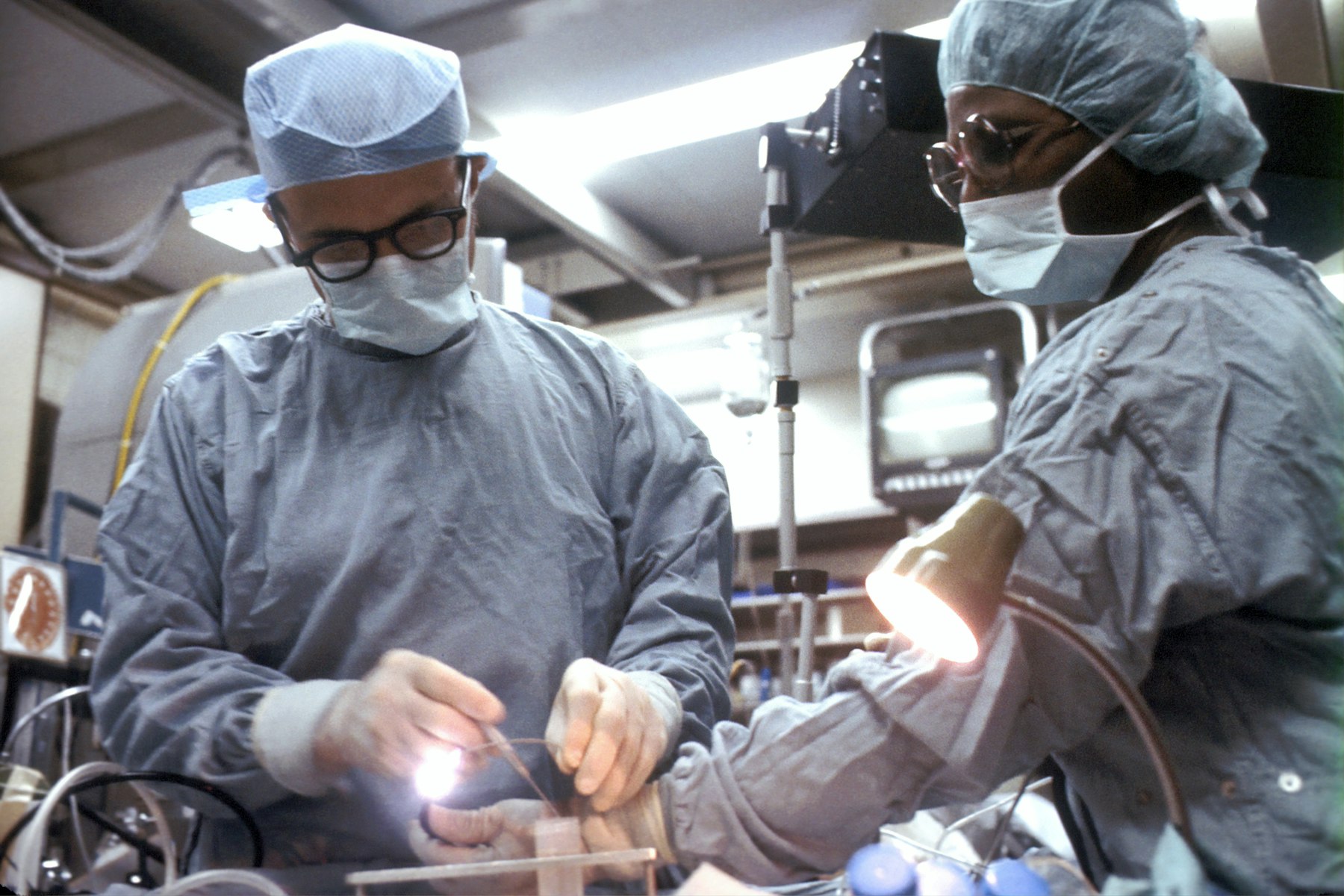
Meniscus Repair vs. Removal — What's the Difference?
 3:48
3:48Straight answers
Frequently Asked Questions
The information on this site is for education only and is not a medical diagnosis or a substitute for professional medical advice. Every patient is different — please consult Dr. Johnson or a qualified provider about your specific condition.
Ready when you are
Take the first step past meniscus tear
A focused evaluation, an honest conversation, and a plan built for your goals.