ACL Tear
The injury that ends seasons — and the surgery that starts comebacks.
Overview
Understanding acl tear
The anterior cruciate ligament (ACL) is one of the four major ligaments that stabilize your knee. It controls rotation and keeps your shin bone from sliding forward — the stability you rely on every time you cut, pivot, land, or decelerate.
When the ACL tears, the knee often gives way during twisting or side-to-side movement. Some people can return to straight-line activity without surgery, but athletes and active adults who want to return to pivoting sports usually benefit from reconstruction, followed by a structured return-to-play program.
Symptoms
What it feels like
- A distinct "pop" felt or heard at the moment of injury
- Rapid swelling within the first few hours
- A feeling that the knee is unstable or "gives way"
- Pain with weight bearing, especially on uneven ground
- Loss of full range of motion
- Difficulty trusting the knee when cutting or pivoting
Common causes
Why it happens
- Sudden change of direction or cutting at speed
- Landing awkwardly from a jump
- Rapid deceleration with the foot planted
- Direct contact or collision (less common than non-contact injury)
- Previous ACL injury — a reconstructed or opposite knee carries elevated risk
Diagnosis
How it's diagnosed
Diagnosis starts with your story — how the injury happened tells us a lot — followed by a focused physical exam that tests the ligament directly, including Lachman and pivot-shift testing.
MRI confirms the tear and, just as importantly, maps the rest of the joint: the menisci, cartilage surfaces, and other ligaments are injured alongside the ACL in a significant share of cases, and the full picture shapes the surgical plan.
Treatment
The full range of options
Non-surgical
Structured physical therapy
For lower-demand patients, a dedicated strengthening and neuromuscular program can restore enough stability for daily life and straight-line activity.
Bracing and activity modification
A functional brace and smart activity choices can protect the knee while you and Dr. Johnson decide whether reconstruction is right for you.
Prehabilitation
When surgery is planned, restoring motion and quad strength first — "prehab" — is associated with smoother recovery afterward.
Surgical
ACL reconstruction
The torn ligament is replaced with a graft — options include your own tissue (patellar tendon, quadriceps, or hamstring) or donor tissue. Graft choice is individualized to your sport, age, and goals.
Combined injury repair
Meniscus tears and cartilage injuries found alongside the ACL are addressed in the same arthroscopic procedure whenever possible.
Minimally invasive technique
Reconstruction is performed arthroscopically through small incisions, which supports earlier motion and rehabilitation.
Recovery
The road back
Recovery is a program, not a waiting period. Early weeks focus on swelling control, extension, and reactivating the quadriceps. From there, progressive strengthening builds toward running, then agility, then sport-specific work.
Return to pivoting sports is criteria-based rather than calendar-based — most athletes are cleared somewhere in the 9-to-12-month range once strength, landing mechanics, and confidence testing all pass. Rushing the calendar is the most preventable cause of re-injury.
Dr. Johnson's approach
Dr. Johnson treats an ACL injury as a whole-athlete problem, not just a ligament problem. That means an honest conversation about whether you need surgery at all, a graft plan matched to your sport, attention to the meniscus and cartilage at the time of reconstruction, and a criteria-based return-to-play pathway — because the goal isn't a healed ligament, it's a knee you trust at full speed.
Watch
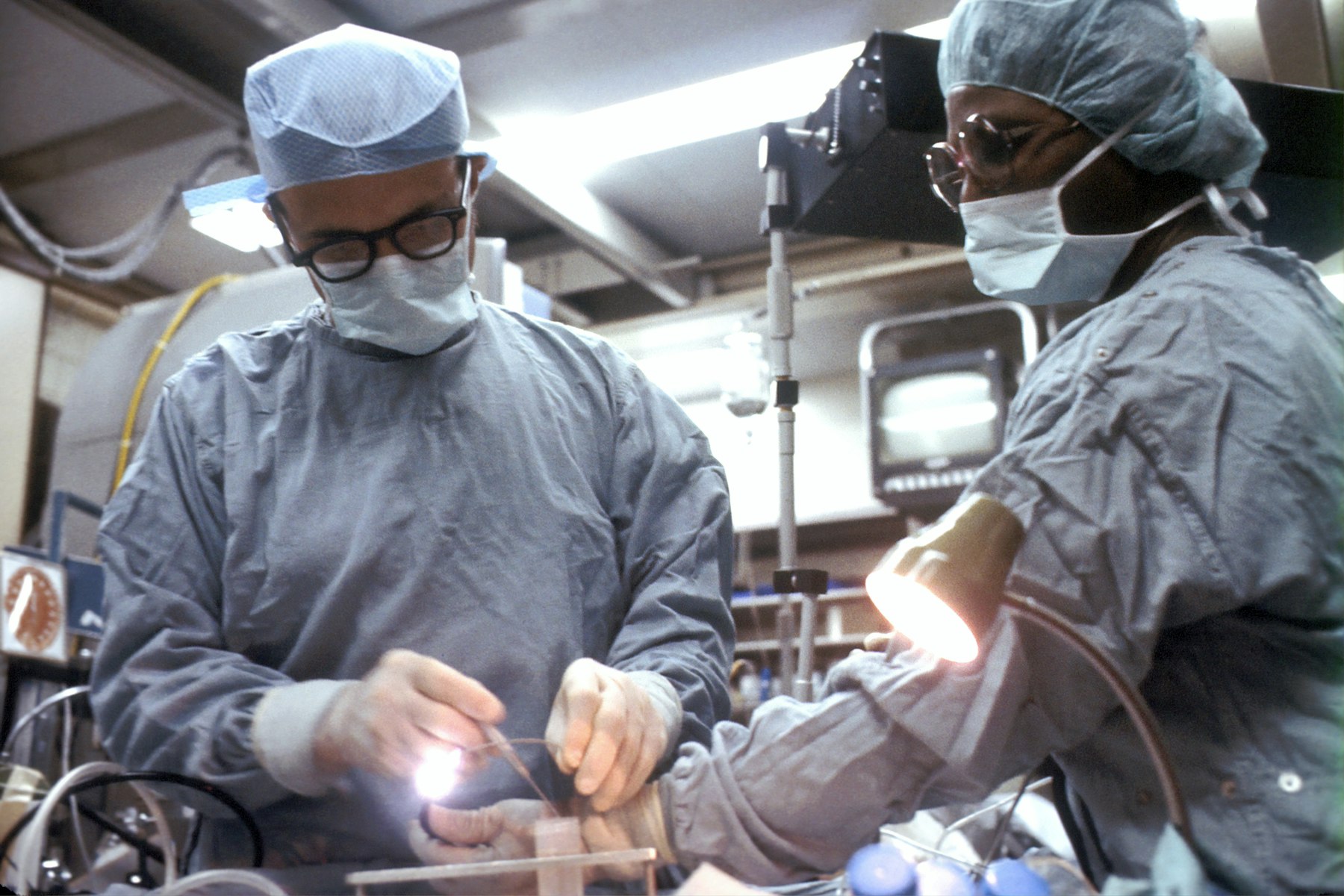
Understanding ACL Reconstruction
 4:32
4:32Straight answers
Frequently Asked Questions
The information on this site is for education only and is not a medical diagnosis or a substitute for professional medical advice. Every patient is different — please consult Dr. Johnson or a qualified provider about your specific condition.
Ready when you are
Take the first step past acl tear
A focused evaluation, an honest conversation, and a plan built for your goals.